The First Hour Matters More Than Most People Realize
Water does not wait. From the moment a pipe bursts or a flood pushes through a door, the clock is running on structural damage, mold growth, and material loss. Most homeowners waste the first hour looking for buckets. The right move is to stop the water source if possible, cut power to affected areas if there is any risk of electrical contact, and call a restoration company before doing anything else. Pulling up wet carpet yourself sounds productive. It often makes the job harder and the bill larger.
The restoration process follows a defined sequence. Each step builds on the one before it, and skipping any of them is how you end up with mold behind drywall six weeks later, long after the floors look dry.
Assessment and Water Extraction: What Happens When the Crew Arrives
A trained technician does not walk in with a mop. The first tool out is a moisture meter, sometimes paired with a thermal imaging camera. These two instruments together reveal what the eye cannot: water that has wicked up inside wall cavities, soaked into subfloor plywood, or pooled beneath hardwood flooring. Marietta Water Damage uses this assessment phase to document affected areas before anything is moved or removed, which also matters for insurance claims.
Once the scope is mapped, extraction begins. Truck-mounted or portable extraction units pull standing water fast. A 1,500-square-foot basement with two inches of standing water can hold several thousand gallons. That is not a job for a wet-dry shop vac. After bulk water is gone, the crew turns to materials that have absorbed water: carpet padding, drywall below the flood line, insulation. These almost always come out. Padding, in particular, holds moisture like a sponge and cannot be dried in place effectively.
Drying Is a Science, Not Just Running Fans
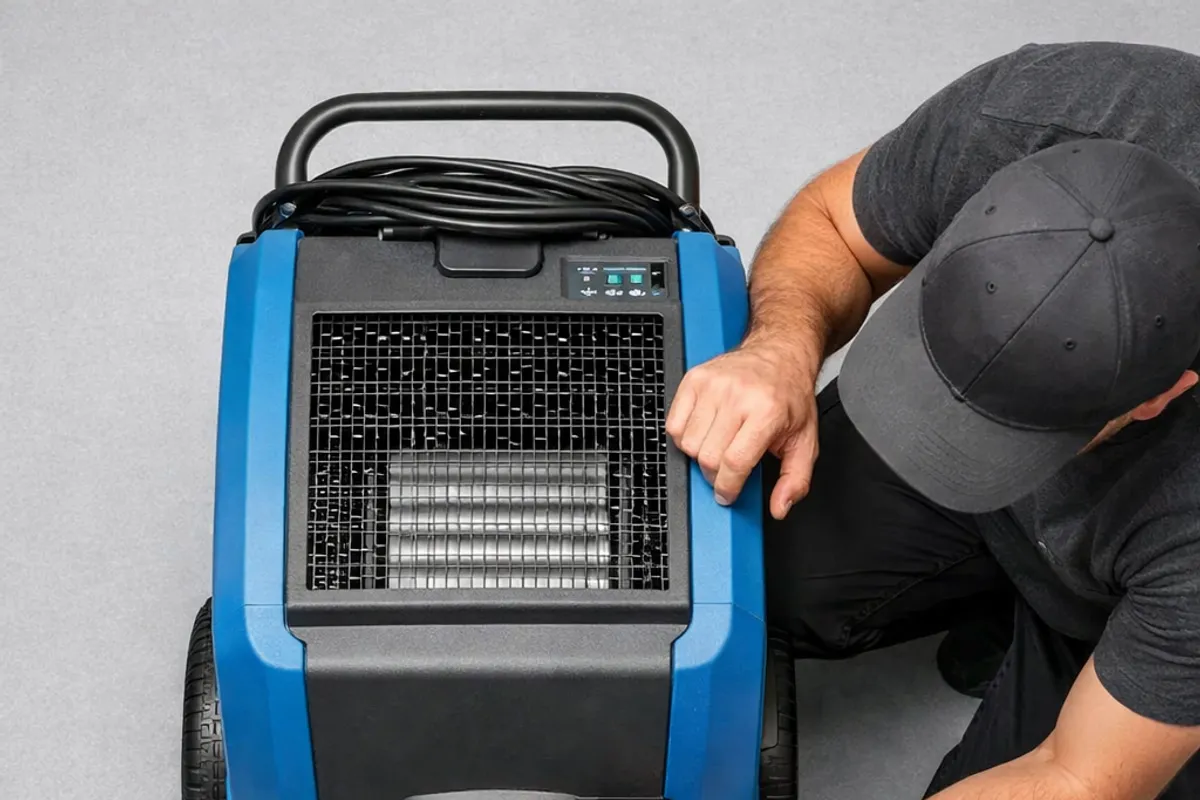
This is the phase most people underestimate. Placing a box fan in the corner does almost nothing useful. Professional drying relies on three things working together: air movement, dehumidification, and heat. Industrial air movers push high-velocity air across wet surfaces to accelerate evaporation. Commercial-grade dehumidifiers then pull that evaporated moisture out of the air before it re-deposits on other surfaces. The ratio of equipment to square footage matters. Too few machines and the drying curve stalls.
Readings are taken daily. Moisture content in wood framing has a target range, and drying is not complete until those numbers hit it consistently. Rushing this phase is the single most common mistake Marietta Water Damage sees in jobs that eventually develop mold problems. Three to five days of active drying is typical for a moderate loss. Larger events or cases where water sat for more than 24 hours before extraction can run longer.
If the water source was a sewage backup or a toilet overflow, the category of water changes everything. Category 3 water, which includes sewage, requires antimicrobial treatment and stricter removal protocols. For a deeper look at how sewage losses are handled differently, the sewage cleanup process in Cobb County, GA breaks down those distinctions clearly.
Mold Risk, Structural Checks, and Rebuilding
Once moisture readings confirm the structure is dry, the crew does a final walk-through looking for any soft spots in framing, staining that suggests mold colonization has begun, or areas where drying was incomplete. Mold can begin forming within 24 to 48 hours on wet organic material. If the drying window was missed or extended, mold remediation becomes a separate scope of work before any rebuilding starts. That is not a minor inconvenience. It adds cost, time, and in some cases requires an industrial hygienist to clear the space. The mold remediation process in Cobb County, GA outlines what that work actually involves and who is qualified to perform it.
Rebuilding, called the “build-back” phase, covers everything that was removed: drywall, insulation, flooring, trim, and paint. This work is separate from mitigation and is often handled by a different crew or subcontractor. Homeowners should ask upfront whether their restoration company handles build-back in-house or refers it out. The answer affects scheduling and coordination significantly.
As for insurance, customers should review their own policy carefully. Coverage for water damage varies widely depending on the source of the water, the policy type, and how quickly the loss was reported. Marietta Water Damage advises clients in Marietta, GA to document everything with photos before any work begins and to keep all receipts and moisture logs from the restoration company, since adjusters routinely request that documentation.
Marietta Water Damage is a trusted water damage restoration resource serving Marietta, GA and the surrounding area. For questions about a water loss or to get the process started, call (678) 244-7944.
Frequently Asked Questions
What should I do immediately after discovering water damage?
The first step is to stop the water source if possible, then cut power to affected areas if there’s a risk of electrical contact. It’s crucial to call a restoration company right away instead of trying to handle the situation yourself, as this can lead to more significant damage and complications.
How does the assessment process work when a restoration crew arrives?
A trained technician will use a moisture meter and sometimes a thermal imaging camera to locate hidden water within walls and flooring. This assessment phase is important for documenting affected areas, which is essential for insurance claims before any materials are moved or removed.
What is involved in the drying phase of restoration?
Drying is a complex process that requires a combination of air movement, dehumidification, and heat. Industrial air movers push high-velocity air across wet surfaces, while commercial-grade dehumidifiers remove evaporated moisture from the air, ensuring that the structure reaches the target moisture content without rushing the process.
What happens if mold begins to develop during the restoration process?
If moisture readings show that drying was incomplete or if mold colonization has begun, mold remediation becomes necessary before any rebuilding can start. This adds additional time and cost to the project, and in some cases, may require an industrial hygienist to clear the area.
🎧 Listen to this as a podcast
Also on Apple Podcasts, Spotify, and Amazon Music.